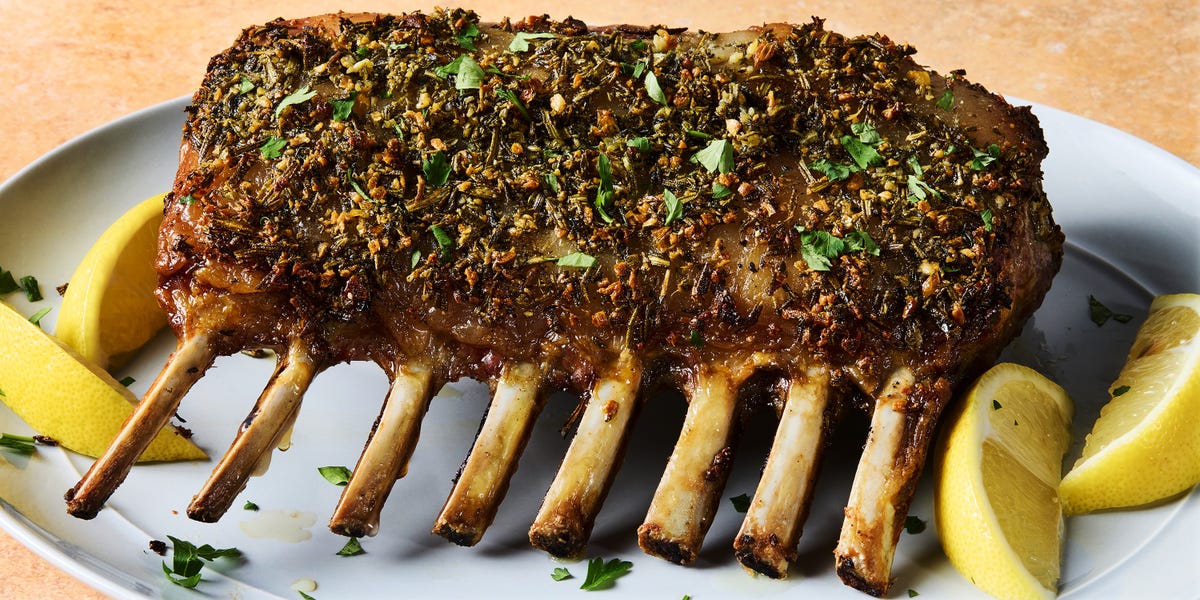
Rack of Lamb Done Right: Roasting Guide, No Searing Needed
Imagine a show-stopping main course that looks incredibly impressive but is surprisingly simple to prepare. That's exactly what you get with a perfectly roasted rack of lamb. Often perceived as a dish reserved for gourmet chefs or special occasion dining, preparing a delicious rack of lamb recipe at home is far more accessible than you might think. This comprehensive guide will walk you through an incredibly straightforward method that skips the often-messy searing step, proving that you can achieve a wonderfully flavorful, perfectly cooked lamb with minimal fuss. Get ready to impress your guests, or simply treat yourself to an exquisite meal that tastes like you spent hours in the kitchen, but only took minutes to prep.
Why No Searing is a Game-Changer for Your Rack of Lamb Recipe
Many traditional recipes for larger cuts of meat, including some rack of lamb recipes, advocate for searing the meat in a hot pan before transferring it to the oven. The idea is that searing creates a flavorful crust and "locks in juices." While searing certainly has its place in certain culinary applications, for this particular
rack of lamb recipe, it's an entirely optional step that we're happily skipping. And here's why it's a game-changer:
*
Less Mess, More Ease: Searing often means oil splatters, a greasy stovetop, and an extra pan to wash. By going straight into the oven, you eliminate this hassle, making cleanup a breeze and the overall cooking process much smoother.
*
Still Achieve a Fantastic Crust: Don't let the absence of searing fool you into thinking you'll miss out on that coveted flavorful crust. Roasting the lamb at a high temperature (450°F) for the duration of its cooking time allows the garlic and herb rub to caramelize and form a remarkably delicious, golden-brown crust all on its own. The intense dry heat of the oven creates an even, robust exterior without the need for initial pan-frying.
*
Hands-Off Cooking: Skipping the sear makes this a truly hands-off recipe. Once your lamb is coated and in the oven, you're free to focus on side dishes, set the table, or simply relax. This makes it an ideal main course for entertaining, allowing you more time to enjoy your guests rather than being tethered to the stove. Whether you're planning a lavish Easter lunch, a romantic date night, or just a hearty family dinner, this method simplifies everything without compromising on flavor or presentation. For more hands-off entertaining tips, check out our guide on
Super Easy Rack of Lamb: Your Go-To Recipe for Entertaining.
Unveiling the Simple Secrets: The Ultimate No-Sear Rack of Lamb Recipe
This
rack of lamb recipe simplifies elegance, focusing on a robust herb-garlic crust and precise roasting. The key lies in quality ingredients and careful timing.
Yields: 6-8 servings
Prep time: 15 minutes active, 1 hour resting
Cook time: 20-25 minutes
Ingredients:
- 1 ½ tablespoons kosher salt
- 2 tablespoons fresh rosemary leaves, finely minced
- 3 cloves garlic, minced
- ½ cup Dijon mustard
- 1 tablespoon balsamic vinegar
- 2 racks of lamb, approximately 1 ½ pounds each, "frenched"
Equipment:
- Food processor with a steel blade
- Roasting pan or sheet pan
- Aluminum foil
- Meat thermometer (optional, but highly recommended)
Instructions:
- Prepare the Herb-Garlic Paste: In the bowl of a food processor fitted with a steel blade, combine the kosher salt, finely minced fresh rosemary, and minced garlic. Process until these ingredients are as finely minced and integrated as possible, forming a coarse, aromatic blend.
- Create the Flavorful Crust Mixture: Add the Dijon mustard and balsamic vinegar to the food processor. Process for an additional minute until you have a smooth, well-combined paste. This mixture will be the backbone of your lamb's incredible flavor and crust.
- Prepare the Lamb for Roasting: Place your frenched racks of lamb in a roasting pan or on a sheet pan. Arrange them with the ribs curving downwards. This positioning helps to create an even cooking surface and allows the crust to develop beautifully.
- Coat the Lamb: Generously coat the tops (the meaty side) of both lamb racks with the prepared mustard mixture. Ensure an even layer over the entire surface.
- Rest at Room Temperature: This is a crucial step for even cooking! Allow the coated lamb to stand at room temperature for exactly 1 hour. This takes the chill off the meat, ensuring it cooks more uniformly from edge to center.
- Preheat Your Oven: While the lamb rests, preheat your oven to a scorching 450°F (230°C). The high heat is essential for developing that delicious crust quickly and efficiently.
- Roast to Perfection: Place the roasting pan with the lamb into the preheated oven.
- For rare doneness, roast for exactly 20 minutes.
- For medium-rare doneness, roast for approximately 25 minutes.
For precise doneness, use a meat thermometer inserted into the thickest part of the meat (avoiding the bone). The USDA recommends an internal temperature of 145°F (63°C) for medium lamb, followed by a 3-minute rest. For rare, aim for 120-125°F (49-52°C) before resting, and for medium-rare, 125-130°F (52-54°C). Remember that the temperature will rise slightly during resting.
- The Critical Resting Period: Once roasted, remove the lamb from the oven. Immediately cover the roasting pan loosely but completely with aluminum foil. Let the lamb sit undisturbed for 15 minutes. This allows the juices to redistribute throughout the meat, ensuring a tender, moist, and flavorful final product. Do not skip this step!
- Slice and Serve: After resting, remove the foil. Carefully cut the racks into individual ribs by slicing between the bones. Arrange on a platter and serve immediately.
Mastering the Details: Tips for Your Perfect Rack of Lamb
Achieving a perfect roasted lamb goes beyond just following the steps; understanding the nuances can elevate your dish from good to unforgettable.
Understanding "Frenching" Your Lamb
The term "frenched" simply refers to the preparation of the rack where the meat and fat are scraped off the ends of the rib bones, exposing about an inch or two of bone. This classic presentation is not just for aesthetics; it also helps the meat cook more evenly and makes it easier to slice into individual chops. Most butchers offer lamb racks already frenched, so don't hesitate to ask them when you purchase your lamb. Additionally, ask your butcher to leave about 1/8 inch of fat on the meaty part of the rack; this thin layer renders beautifully during roasting, adding moisture and flavor.
Doneness Guide and Internal Temperatures
While our recipe provides time guidelines, relying on an instant-read meat thermometer is the most accurate way to ensure your lamb is cooked precisely to your liking.
- Rare: 120-125°F (49-52°C)
- Medium-Rare: 125-130°F (52-54°C)
- Medium: 135-140°F (57-60°C) – The USDA recommends 145°F (63°C) for medium, followed by a 3-minute rest. Our recipe aims for a slightly less done result, common for this cut, but always cook to your preference.
- Medium-Well: 145-150°F (63-66°C)
- Well-Done: 150°F+ (66°C+)
Remember that the internal temperature will rise by about 5-10 degrees during the resting period (carryover cooking), so remove the lamb from the oven slightly before your target temperature.
Serving Size and Presentation
One rack of lamb typically serves 3 to 4 people, depending on appetite and the size of the rack. Since this
rack of lamb recipe calls for two racks, you can comfortably feed 6 to 8 guests. When serving, slicing the racks into individual chops right before presenting creates a stunning display. Arrange them artfully on a platter, perhaps garnished with fresh rosemary sprigs.
Pairing Suggestions for Your Lamb Dinner
Roasted rack of lamb pairs beautifully with a variety of sides. Think classic choices like roasted asparagus, garlic mashed potatoes, creamy polenta, or a vibrant green salad. For wine, a robust red like a Cabernet Sauvignon, Merlot, or a Pinot Noir (for a lighter option) complements the richness of the lamb perfectly.
Beyond the Basics: Frequently Asked Questions about Rack of Lamb
What's the difference between a rack of lamb and lamb chops?
It's simpler than you might think! A rack of lamb is essentially a set of individual lamb chops still connected together. When you slice a rack into individual portions, you get lamb chops. This recipe uses the rack intact for roasting, which is a fantastic hands-off method, especially when you're busy with other preparations for a full meal.
Why is a high oven temperature used for roasting rack of lamb?
The high temperature of 450°F is key to this no-sear method. It creates a powerful initial burst of heat that allows the garlic and herb rub to quickly form a delicious, flavorful crust on the exterior of the lamb. This high heat cooks the relatively small rack efficiently and rapidly, ensuring the interior remains tender and juicy without overcooking, which can happen with lower, slower roasting temperatures for this cut.
Why is resting the lamb so important, both before and after roasting?
There are two critical resting periods:
1. **Before Roasting (at room temperature for 1 hour):** This brings the internal temperature of the lamb up slightly and more evenly, ensuring that when it hits the hot oven, it cooks uniformly from the outside in. Cold spots can lead to unevenly cooked meat.
2. **After Roasting (covered with foil for 15 minutes):** This is perhaps the most crucial step for tender, juicy meat. As meat cooks, its muscle fibers contract, pushing juices to the center. Resting allows these fibers to relax, and the juices to redistribute throughout the entire cut. If you slice into the lamb immediately, all those flavorful juices will run out onto your cutting board, leaving you with drier meat. Resting ensures that every bite is succulent and flavorful.
For those looking to expand their lamb repertoire, consider exploring
Elevate Dinner: Easy Roasted Rack of Lamb with Herb Crust, which might offer additional flavor profiles for your next culinary adventure.
Conclusion
Preparing a magnificent rack of lamb doesn't have to be a daunting task. This no-sear
rack of lamb recipe offers an elegant solution for a truly impressive meal with minimal effort and maximum flavor. By focusing on a simple yet potent herb-garlic crust, precise high-heat roasting, and crucial resting periods, you can achieve a tender, juicy, and beautifully crusted lamb that's perfect for any occasion. So go ahead, confidently tackle this culinary classic and savor the delight of a perfectly roasted rack of lamb done right.